
The Running FUNnies

Running is for FUN!
At PB we take running seriously but we also believe running should be FUN and we know that many of you, no matter what your goals, enjoy the social aspect of running of with a group. Take a look at our fun runs for Fall 2011:

Meet and Greet
- we start out every season with the Meet and Greet. Your mission on this long run is to make a new friend. Come back to home base with a name and at least one interesting morsel of information about your newest buddy.


Hat Run - run in your favorite or funniest head piece. Best head topper receives a prize!


Predicted Time Run - leave your time piece at home and predict your time for this long run. Closest guess receives a prize.


photo by ennuipoet
Inside Out Run - inspired by a runner who dressed in the dark before a summer run and arrived at the group run with her shorts inside out! No names! Coach Amy. To celebrate running fun and making fun of yourself, wear your running gear inside out or your outsides in! Above picture is a photo from the Jamaica Underwear Run. Please do wear something under the insides, PB doesn't have a permit for us to run solely in our skivvies, yet...


Frighteningly Fit Costume Run - scare your running partners or make them laugh as we celebrate Halloween by running in costume.

More details on all these fun runs TBA

Functional Movement Screening


Qualified Participants receive a FREE functional movement screening!

Plantar fasciitis, ITB syndrome, shin splints, "runner's knee"... Runners despise being relegated to "walking wounded" status by a running injury. Even with the best of training and a conservative approach, most distance runners at some point have experienced a running related injury.

Personal Best's coach Amy Parkerson-Mitchell, licensed physical therapist, is teaming up with KU Med to gather data that will help rehabilitation specialists screen for potential causative factors related to running injuries.

We are looking for 100 runners between the ages of 18-65 years, running 20 miles or more per week that have been injury free for at least 6 weeks prior to the start of the study. As a part of the study, you will receive a FREE Functional Movement Screening - a $50.00 value. The screening will take approximately 15 minutes.

Research is being conducted in the Overland Park area on two Sundays: August 14th and August 21st.

If you meet the criteria and are available to participate, contact Coach Amy at kcrunning@hotmail.com for more details and to set up your appointment.

Don't qualify for the study, but would like to schedule a screening? Please contact us. Screenings are free for PB members and $50.00 for non-members.


Please pass this notice along to all your running friends!

Take a BREAK


photo by incase

Rest is an integral part of a training cycle and many runners ignore it. It is just as important as long runs and plays a big role in preventing injury.

Rest allows for an improvement in motor control, mobility, and posture as well as tissue repair. It also allows you to restore fuel stores and gives you a mental break.

There are three segments of the training cycle where runners need to build in rest:
  • Training Plan. This refers to the day by day training plan. Alternating overload hard days with easy recovery days. An easy day is a short and slow run, cross training at an easy to moderate effort or "couch it" - do nothin' at all.
  • Training Phase. This refers to post race recovery. Novice runners need more time then experienced runners. It is dependent on how hard you raced. Rule of thumb here is one day of easy for every mile you raced: thirteen days for a half and twenty-six days for a full, but it could be as much as six - eight weeks. Runners should avoid strength training for one to two weeks following a half and full marathon respectively and bring it back gradually with modifications. See PB training schedules for a safe mileage progression following a race.
  • Training Program. This refers to down time once or twice per year between training programs. It can last for three to six weeks. Runners refrain from speed work and racing (even 5K's). Long runs are shortened to below six/ten miles and total weekly mileage is decreased to below twenty/thirty miles per week for the half and full respectively.
Remember the saying, "More is not better, its just more!"

Running in the Heat


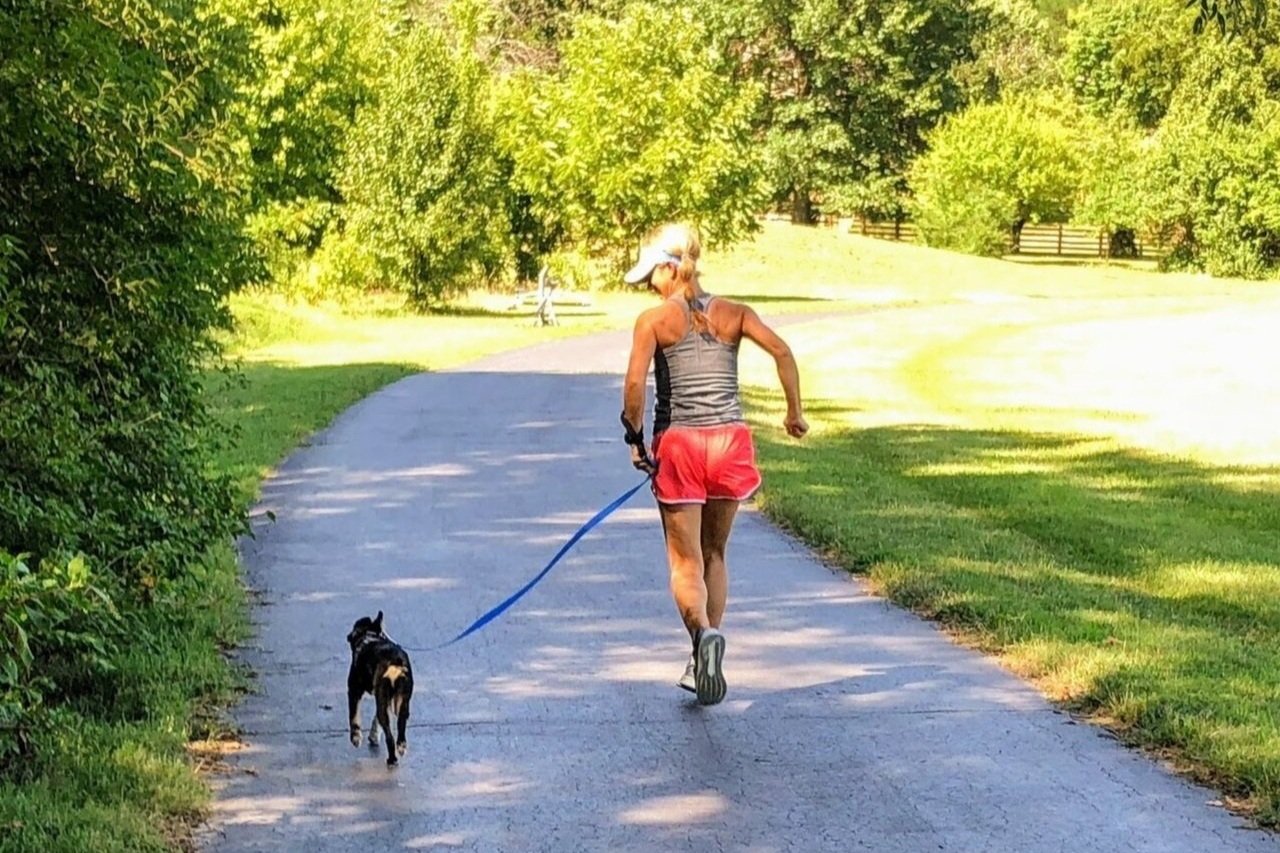
photo by Kenski1970

It's summer in Kansas! That means it's hot and humid.

Did you know it takes four to eight weeks to adapt to the increase in heat? Adaptations include better heat transport through the circulatory system, sweating at lower temperatures, a doubling in activated sweat glands and a lower percentage of electrolyte loss in sweat.

Running in the heat can be a challenge and sometimes dangerous even once you've adapted. What can you do to play it safe and still get in your mileage?
  • Slow down - expect a 10% degradation of your speed at 85 degrees. More at higher temperatures.
  • Drink plenty of fluids and electrolytes.
  • Choose routes in the shade if possible.
  • Take walk breaks.
  • Run during cooler hours of the day (early morning or after 8:00 p.m.)
  • Run with a friend and look for signs of heat illness (see below).
  • Wear proper clothing - light colors, tanks, dry wicking materials, visors
  • Adjust your distance.
  • Be cautious - consider skipping a run if there is a heat advisory.
Signs of heat illness include:
  • Dizziness
  • Cramping
  • Clammy and red skin
  • No sweating and red skin (dangerous)
  • Goosebumps - feeling chilly in the heat
If you experience any of these signs, its time to get off the course, into the shade and cooler temperatures and time to hydrate well. Live to run another day!