And This is How We Roll

Foam Roller.jpg

Most of us have a love-hate relationship with the foam roller. It’s a bit of a sore ride but so worth it. Foam rolling improves circulation and mobility of muscles, tendons and fascia*. It also prevents injury in the back, hip, foot and shoulder, and aids in recovery.

That’s a lot of benefit from a piece of high density foam! However, knowing how and when to use a foam roller is critical. Foam rolling incorrectly, too frequently, or with too much compression can cause bruising and injury to nerves.

Coach Amy’s high level “rolling” tips:

Start WARM. Foam rolling is best with warm muscles. For athletes, this is AFTER a workout. The less active individual should warm-up for 10 minutes prior to foam rolling. A walk is a great way to get the blood flowing a bit first. 

Time is MONEY. Conveniently shorter is better. No need to roll for hours. 1-2 minutes per area is long enough.

Go SLOW. Moving too quickly on the foam roller causes the connective tissue to fight back and tighten up: the opposite of what we want. 

MEET the tension. Going too deep with too much compression can cause damage. We want to stimulate, not irritate.

Want to know more? Want to see a licensed PT demonstrate the proper technique, and watch you foam roll to ensure proper form? Coach Amy is hosting two foam rolling clinics in October during National Physical Therapy Month. These “one-time” clinics will be FREE in gratitude and enthusiasm for keeping Kansas City active and injury-free.

Early Bird Registration Here

*what the heck is fascia? It’s a thick and strong spider-web like mesh of connective tissue that wraps around muscles, groups of muscles, blood vessels, nerves and even organs! 
Does Coach Amy Treat Back Pain? Why, Yes!

Anna Nelson.jpeg

Back pain can affect people of all ages. Up to 80% of the population will experience back pain at some time in their lives. Small aches and pains often come along with age, major life events, or increased and varied activity; but sometimes we have no idea what triggers pain at all.

Coach Amy helps identify triggers and provides treatment for patients with back pain that interferes with work, sleep, everyday tasks and hobbies. More importantly, once pain and function is restored she helps patients develop a strategy to prevent future occurrences.

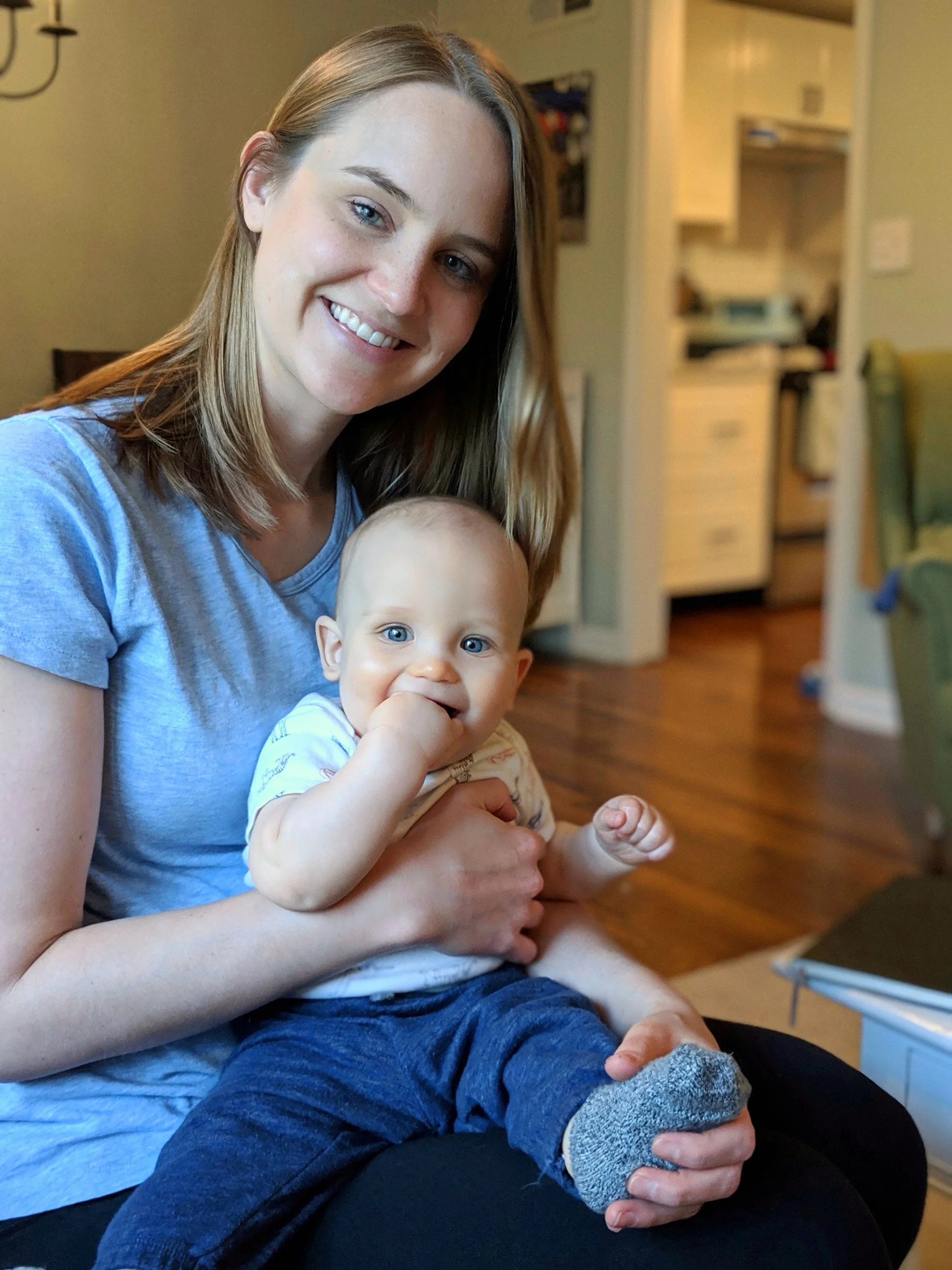
Anna, a CoachAmyPT patient, suffered from back pain at various stages of her adult life. Click the link below to read the full article and discover how physical therapy helped Anna go from debilitating pain, to running a pain-free half marathon.

Article Here

Runner's World Magazine Interviews Coach Amy

Runner's World.png

Have you ever felt overwhelmed by the mountains of data you get from your device after a run? Me too! I review my workout and run data, so I know where you're coming from. I also help all my local and Garmin Coach clients understand how to use their data to achieve their goals. 

Runner's World magazine recently interviewed me about this very topic. Check out the article to learn more! 

Runner's World Article

A Case for Changing Cadence: Injury Prevention

Caption: Coach Amy evaluating a client’s running form. Video taping the runner is always useful in a personal run evaluation.

Cadence is a measurement of run gait that we can easily measure with our smart watches, but knowing what do with the data is a mystery to most runners. A quick Google search reveals debate among coaches and scientists creating even more confusion. Let’s solve the case with some clues! 

Clue #1: Cadence is a measurement of steps taken per minute (s.p.m.). Most runners naturally adapt to a cadence that is most efficient for them. Studies conducted show that attempting to run at a cadence that is lower or higher than a runner’s naturally chosen gait costs more energy. EEK! Expending more energy while running is the last thing a runner wants to do. If it costs more energy to change cadence, why in the world do we care about measuring it in the first place?  

Clue #2: A runner’s naturally chosen gait may not be the safest gait. Adapting to a higher cadence typically causes a runner to use a shorter stride length which decreases forces on the lower extremity. Minimizing forces is one of the key ways to prevent injury.  

Clue #3: Avoiding injury is a runner’s number one goal, but what about the increase in energy cost? Some studies do not test whether efficiency improves after training at a new cadence. My experience has shown that with sound training, a runner can become more efficient at running with a higher cadence and at the same time decrease risk of injury. That’s a win in my book. 

Increasing the number of steps run per minute may help prevent injury but making changes to run gait without professional assistance and feedback can do more harm than good. A thorough evaluation and guidance from a physical therapist that specializes in running is the safest way to change cadence or any component of run gait. Case solved! 

Schedule Run Evaluation
Hire Coach Amy for Personalized Coaching

Physical Therapy or Surgery?

Ever been doing something you love with your kids, like shooting hoops or playing catch, and injury or pain strikes? You’re not alone! Repetitive motion over and over again can take its toll on joints and muscles, especially as we age. Muscle and joint damage that was a minor problem in our younger days can resurface as a major issue.

Most people want get back to “normal” life as quickly as possible and some perceive surgery as the quickest or only route to recovery, but it has its associated risks and is expensive. Is there an alternative to surgery? A way to eliminate pain and return to a full active lifestyle? Yes! Physical Therapy.

Read the latest CoachAmyPT blog post to hear how patient, Kirk E., a former pitcher, avoided surgery on his shoulder with physical therapy treatments, and if this could be a viable treatment option for you.

Read Full Article Here
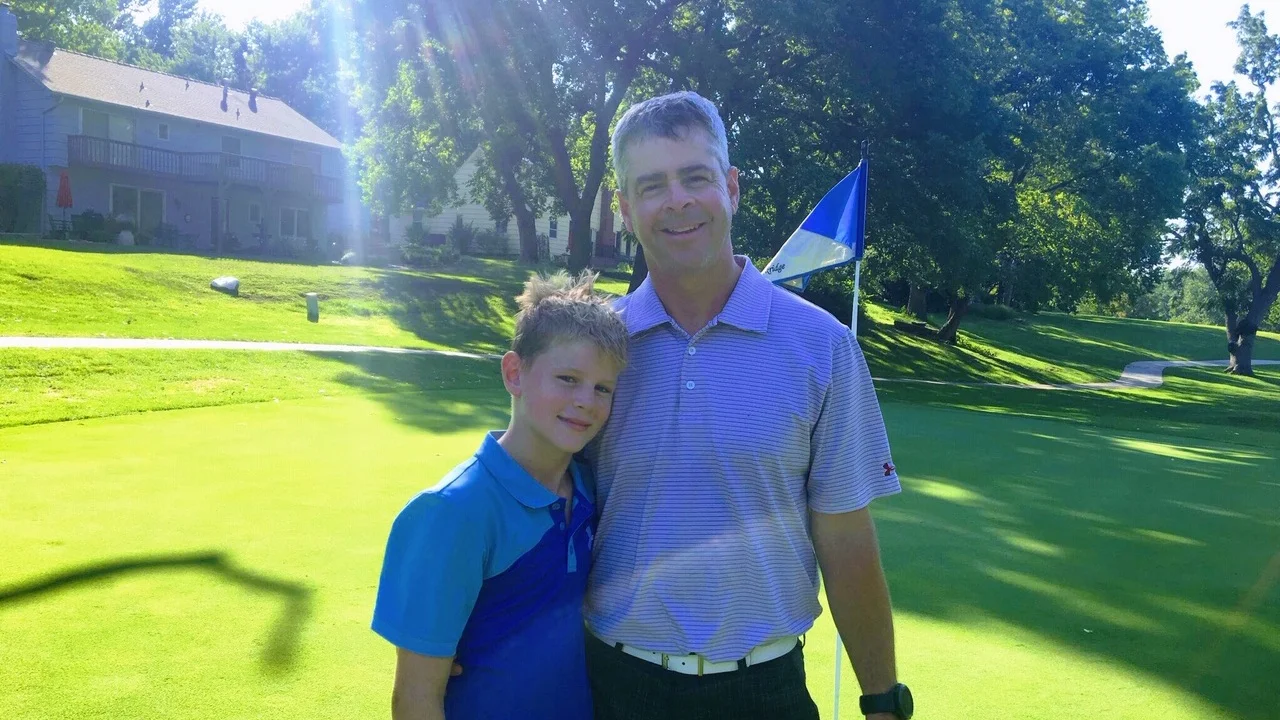
Kirk returning to doing what he loves with his kids.

Kirk returning to doing what he loves with his kids.

“Race for the Planet” with RRKC and Athleta Town Center

Race+for+the+Planet.jpg

Join Roadrunners of Kansas City in partnership with Athleta Town Center on Saturday, August 24th for a “Race for the Planet” 10 mile Training Run. The event is FREE, and the first 25 to register will receive a $25 Athleta Shop Card to use after the run. Participants can also enter to win a $200 Athleta Shopping Spree at event check in. More information and registration are in the link below.

For RRKC members, this run will replace our normal Saturday morning group run. However, since this is a community event bring one, bring all! Friends and family are most welcome. Event details below:

  • 6:00am: Onsite registration/check-in begins.

  • 6:30am: Group run begins (led by RRKC’s Coach Amy and Jennifer Wolf).

  • Run will start and end at Athleta Town Center (4844 W. 119th St., Leawood, KS).

  • Route will wind through South Leawood. Details and course map at RRKC Events Page. Printed copies of the map will be provided at the run.

  • Winner of the Athleta Shopping Spree will be drawn at conclusion of the run.

See you at the starting line of this FREE fun event!

Register Here