Big Benefits of Running with Buddies

pyramid.jpeg

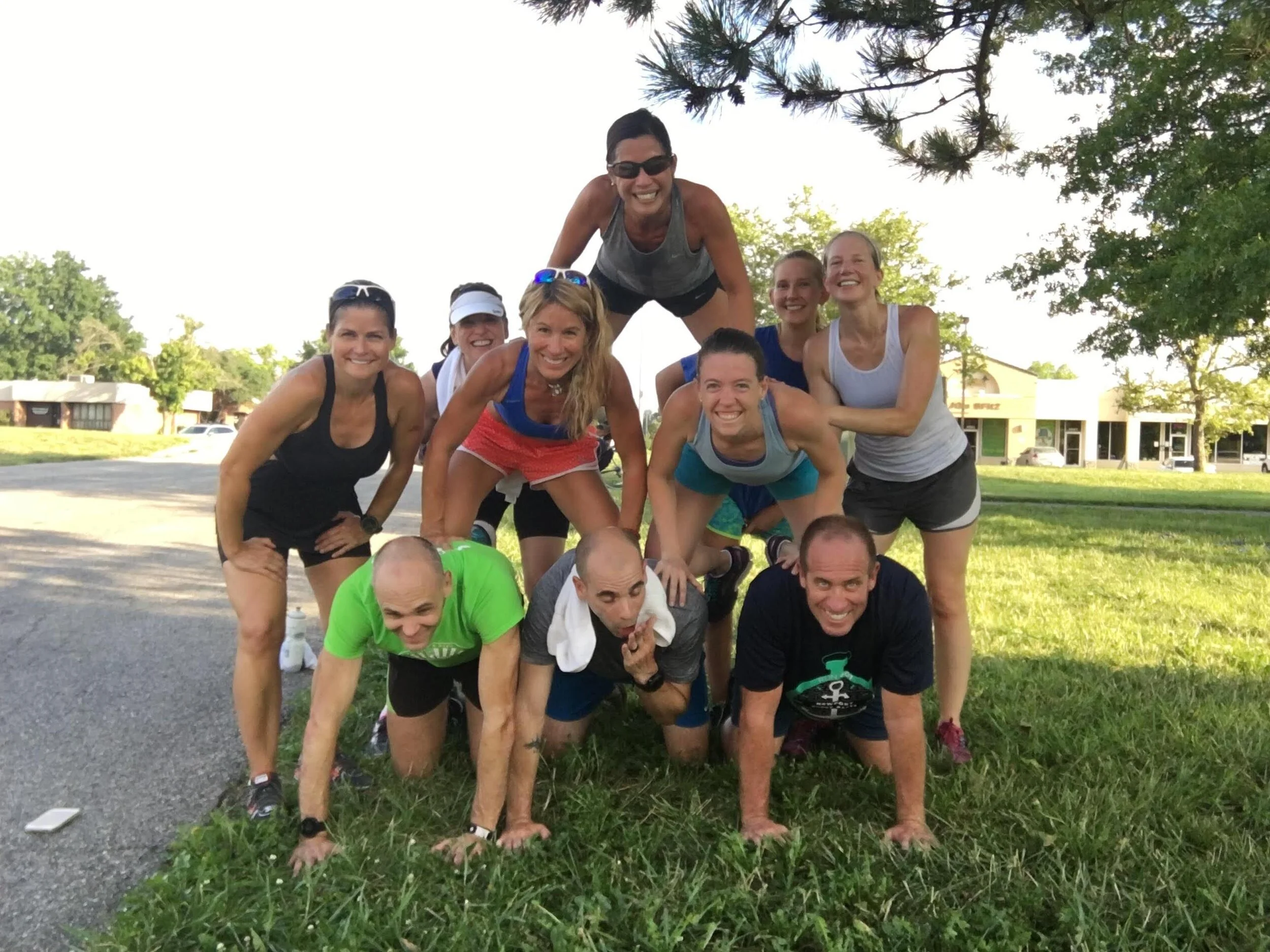
It’s no secret that working out in a group produces better results than flying solo. Research shows that the healthy actions of others rub off on us. Benefits of working out with other people include improving consistency, and increasing the intensity and duration of exercise. The same rings true for running.

Tackling runs or a lengthy training plan with a run group not only improves individual accountability but also allows athletes to: increase mileage safely, avoid injury and mental burn-out, and gain moral support and stamina.

Roadrunners of Kansas City (formerly known as Personal Best) has been hosting group runs filled with positive support for over 25 years. We invite you to try out some group runs for free every Saturday in October to see for yourself the benefits of running with friends (and water stops)! Also check out our short promo video for a glimpse of the spirit of our group.

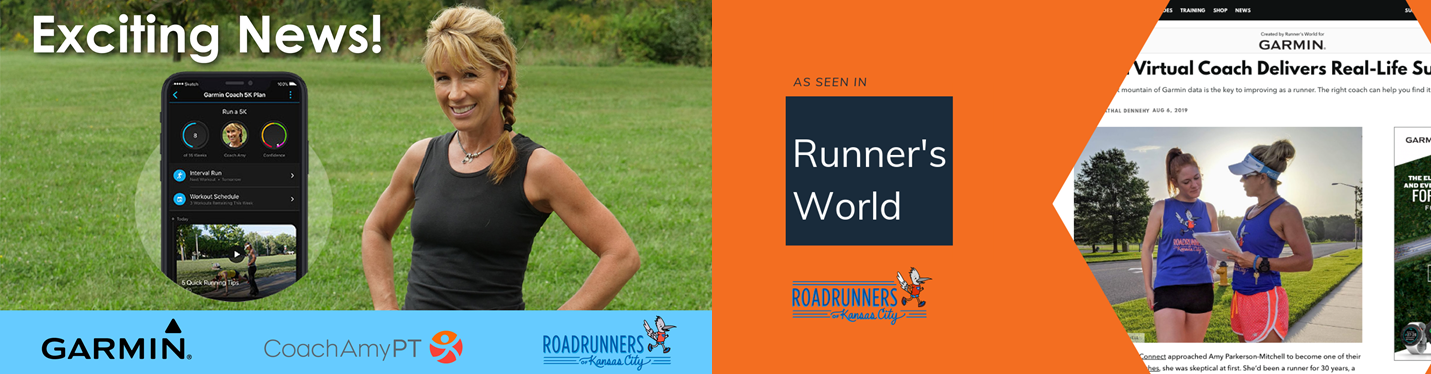
Coach Amy Parkerson-Mitchell as the owner and operator of this run club adds unmatched expertise. Amy is a certified Garmin Coach, has recently been featured in Runner’s World, and is a licensed physical therapist. Although run leads may fluctuate, Coach Amy creates all of the training plans and provides a world of knowledge for her runners.
Runners world and garmin combo.png

Whether you’re a first-timer, a seasoned runner, or anything in between, there is a place for everyone at RRKC. Ready to try something new? Join us for the month of October. It could transform your year. 

“Before I joined RRKC, I struggled to train consistently, battled injuries, and couldn't find my community of people that made me fall in love with running in the first place. RRKC has changed all of that for me. I train more consistently, have kept injuries at bay, and because of that managed to get faster, all while making great friends!”    -Melody

Free Events in October @ CoachAmyPT

nptm logo capt & rrkc.png

At CoachAmyPT celebrating National Physical Therapy Month means giving back to an amazing community that has provided so much enthusiasm and support. During the entire month of October Coach Amy is offering some fun, free events. Whether you’re a past or current client of CoachAmyPT, or have never been to the clinic and are just interested in checking us out, please join in on the fun. Come for one event, or for all, and bring your friends! Health and wellness activities are more fun with more faces.

All events will take place at the CoachAmyPT clinic at 4573 Indian Creek Pkwy, Overland Park, KS 66207.

Free Group Runs every Saturday in October with Roadrunners of Kansas City.

This dynamic group of runners will motivate you shoulder to shoulder on some long routes, with stocked aid stations along the way. Mileage listed is the maximum mileage each course will be set for, but you can run any distance up to that maximum amount. All runs begin at 6:30 a.m.

  • Oct. 5th: 10 miles

  • Oct 12th: 20 miles

  • Oct. 19th: 10 miles

  • Oct. 26th: 20 miles

RSVP required on below link. Course maps and more details are provided on the Events tab of the RRKC website

Free Foam Rolling Clinic: October 7th

Foam rolling improves circulation and mobility, prevents injury and aids in recovery. Fewer pieces of equipment pack this much punch. However, knowing how and when to use a foam roller is critical for results.

Make friends with your foam roller at one of Coach Amy’s And This is How We Roll sessions where she’ll teach you how and when to roll out. Space is limited, registration required.

Thank you for being an important part of the CoachAmyPT and Roadrunners of Kansas City community this year. We can’t wait to see you in October!

And This is How We Roll

Foam Roller.jpg

Most of us have a love-hate relationship with the foam roller. It’s a bit of a sore ride but so worth it. Foam rolling improves circulation and mobility of muscles, tendons and fascia*. It also prevents injury in the back, hip, foot and shoulder, and aids in recovery.

That’s a lot of benefit from a piece of high density foam! However, knowing how and when to use a foam roller is critical. Foam rolling incorrectly, too frequently, or with too much compression can cause bruising and injury to nerves.

Coach Amy’s high level “rolling” tips:

Start WARM. Foam rolling is best with warm muscles. For athletes, this is AFTER a workout. The less active individual should warm-up for 10 minutes prior to foam rolling. A walk is a great way to get the blood flowing a bit first. 

Time is MONEY. Conveniently shorter is better. No need to roll for hours. 1-2 minutes per area is long enough.

Go SLOW. Moving too quickly on the foam roller causes the connective tissue to fight back and tighten up: the opposite of what we want. 

MEET the tension. Going too deep with too much compression can cause damage. We want to stimulate, not irritate.

Want to know more? Want to see a licensed PT demonstrate the proper technique, and watch you foam roll to ensure proper form? Coach Amy is hosting two foam rolling clinics in October during National Physical Therapy Month. These “one-time” clinics will be FREE in gratitude and enthusiasm for keeping Kansas City active and injury-free.

*what the heck is fascia? It’s a thick and strong spider-web like mesh of connective tissue that wraps around muscles, groups of muscles, blood vessels, nerves and even organs! 

Does Coach Amy Treat Back Pain? Why, Yes!

Anna Nelson.jpeg

Back pain can affect people of all ages. Up to 80% of the population will experience back pain at some time in their lives. Small aches and pains often come along with age, major life events, or increased and varied activity; but sometimes we have no idea what triggers pain at all.

Coach Amy helps identify triggers and provides treatment for patients with back pain that interferes with work, sleep, everyday tasks and hobbies. More importantly, once pain and function is restored she helps patients develop a strategy to prevent future occurrences.

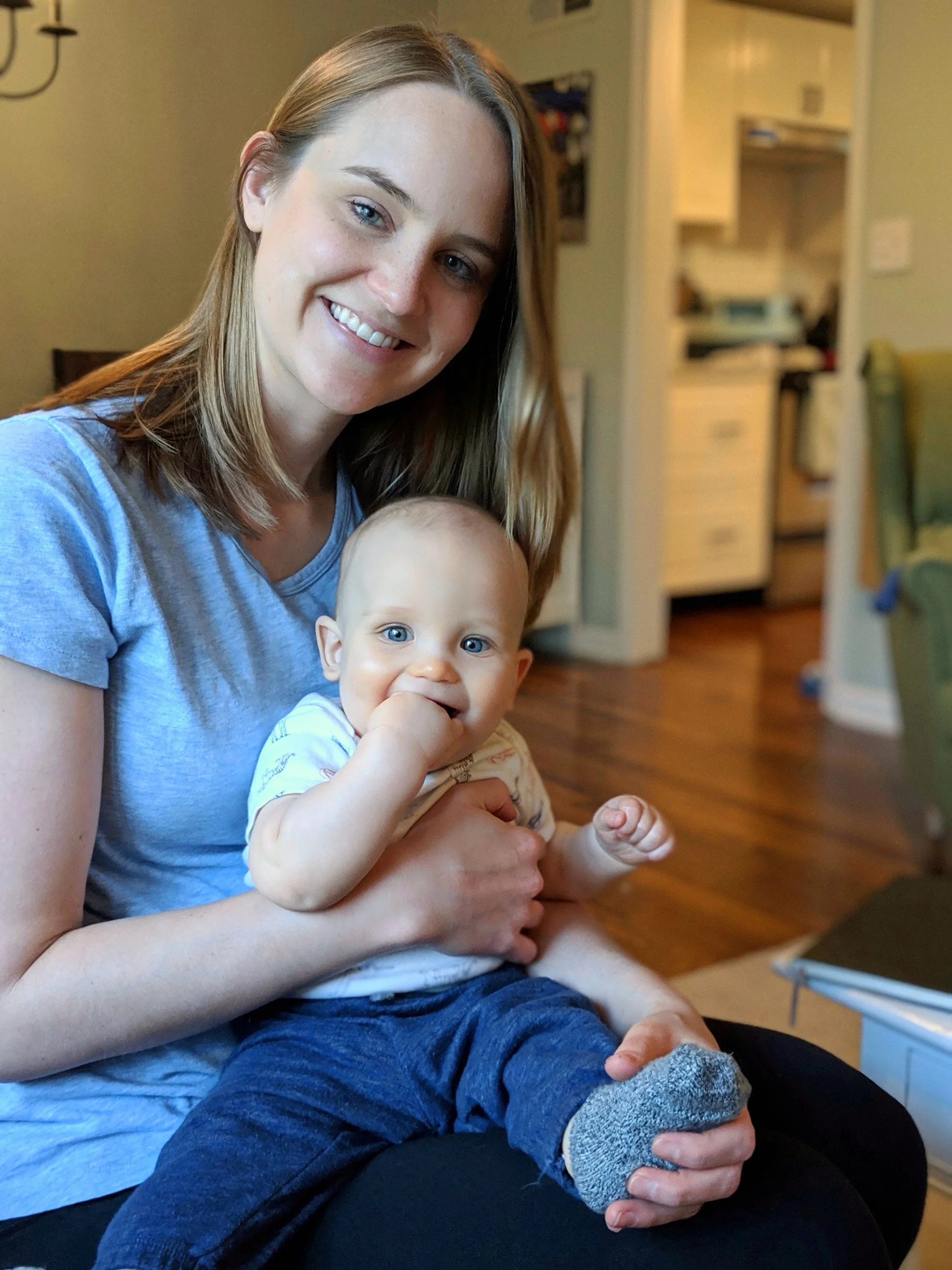
Anna, a CoachAmyPT patient, suffered from back pain at various stages of her adult life. Click the link below to read the full article and discover how physical therapy helped Anna go from debilitating pain, to running a pain-free half marathon.

Runner's World Magazine Interviews Coach Amy

Runner's World.png

Have you ever felt overwhelmed by the mountains of data you get from your device after a run? Me too! I review my workout and run data, so I know where you're coming from. I also help all my local and Garmin Coach clients understand how to use their data to achieve their goals. 

Runner's World magazine recently interviewed me about this very topic. Check out the article to learn more! 

A Case for Changing Cadence: Injury Prevention

Caption: Coach Amy evaluating a client’s running form. Video taping the runner is always useful in a personal run evaluation.

Cadence is a measurement of run gait that we can easily measure with our smart watches, but knowing what do with the data is a mystery to most runners. A quick Google search reveals debate among coaches and scientists creating even more confusion. Let’s solve the case with some clues! 

Clue #1: Cadence is a measurement of steps taken per minute (s.p.m.). Most runners naturally adapt to a cadence that is most efficient for them. Studies conducted show that attempting to run at a cadence that is lower or higher than a runner’s naturally chosen gait costs more energy. EEK! Expending more energy while running is the last thing a runner wants to do. If it costs more energy to change cadence, why in the world do we care about measuring it in the first place?  

Clue #2: A runner’s naturally chosen gait may not be the safest gait. Adapting to a higher cadence typically causes a runner to use a shorter stride length which decreases forces on the lower extremity. Minimizing forces is one of the key ways to prevent injury.  

Clue #3: Avoiding injury is a runner’s number one goal, but what about the increase in energy cost? Some studies do not test whether efficiency improves after training at a new cadence. My experience has shown that with sound training, a runner can become more efficient at running with a higher cadence and at the same time decrease risk of injury. That’s a win in my book. 

Increasing the number of steps run per minute may help prevent injury but making changes to run gait without professional assistance and feedback can do more harm than good. A thorough evaluation and guidance from a physical therapist that specializes in running is the safest way to change cadence or any component of run gait. Case solved!